

Hey there! As a supplier of N Crimp Connectors, I've seen firsthand how crucial it is for employees to know how to use these connectors properly. In this blog, I'll share some tips on how to train your employees to use N Crimp Connectors effectively.
Understanding N Crimp Connectors
Before we dive into the training process, let's quickly go over what N Crimp Connectors are. N Crimp Connectors are a type of RF (Radio Frequency) connector used in various applications, including telecommunications, broadcasting, and wireless communication. They are known for their high performance, durability, and ease of use.

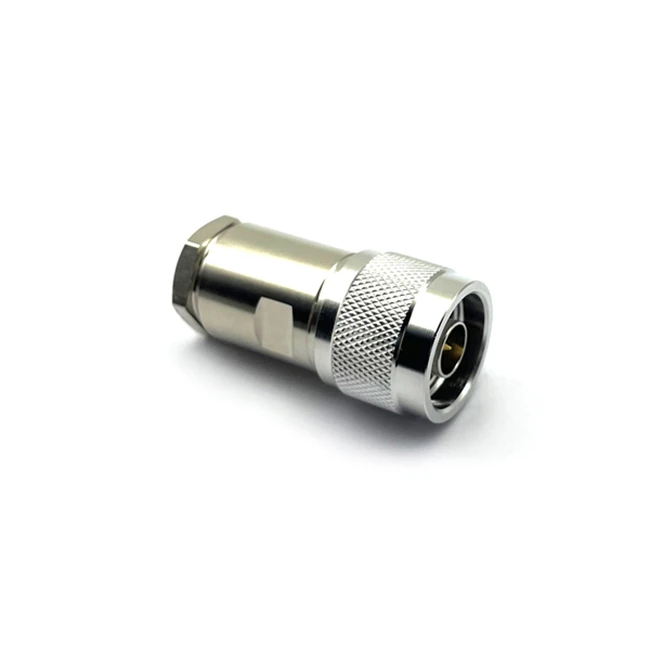
There are different types of N Crimp Connectors available, each designed for specific cable types and applications. For example, the RF Connector N Male Right Angle for 5D-FB Cable Clamp Type N-JW5 is specifically designed for 5D-FB cables, while the RF Connector N Male for 5D-FB Cable Clamp Type N-J5 is another option for 5D-FB cables. The RF Connector N Male Right Angle for RG316/RG174 Cable Crimp Type N-C-JW1.5 is suitable for RG316 and RG174 cables.
Training Preparation
- Gather Materials: Make sure you have all the necessary materials for the training, including N Crimp Connectors, cables, crimping tools, and any other accessories. Provide each trainee with their own set of materials so they can practice hands-on.
- Create a Training Plan: Outline the training objectives, schedule, and topics you'll cover. Break the training into manageable sections and allocate enough time for hands-on practice.
- Set Up a Training Area: Create a dedicated training area where trainees can work safely and comfortably. Ensure the area is well-lit and has enough space for everyone to move around.
Training Sessions
Introduction to N Crimp Connectors
- Explain the Basics: Start the training by explaining what N Crimp Connectors are, their applications, and the different types available. Show examples of the connectors and the cables they are compatible with.
- Highlight the Importance of Proper Installation: Emphasize the importance of proper installation to ensure optimal performance and prevent signal loss or interference. Explain how a poorly installed connector can affect the overall system.
Safety Precautions
- Review Safety Guidelines: Before trainees start working with the connectors and tools, review the safety guidelines. This includes wearing appropriate safety gear, such as gloves and safety glasses, and using the tools correctly.
- Demonstrate Safe Handling: Show trainees how to handle the connectors and cables safely to avoid damage or injury. Teach them how to properly store and transport the materials.
Tool Usage
- Introduce the Crimping Tool: Explain how the crimping tool works and the different parts of the tool. Demonstrate how to load the connector into the tool and how to position the cable correctly.
- Practice Crimping: Have trainees practice crimping connectors onto cables under your supervision. Provide feedback and guidance to ensure they are using the tool correctly.
Cable Preparation
- Show How to Strip the Cable: Teach trainees how to strip the outer jacket and insulation of the cable to expose the inner conductor. Use a cable stripper and demonstrate the correct technique to avoid damaging the cable.
- Prepare the Cable Ends: Once the cable is stripped, show trainees how to prepare the cable ends for connector installation. This may include trimming the conductor, applying dielectric grease, or using other preparation methods.
Connector Installation
- Demonstrate the Installation Process: Show trainees how to install the N Crimp Connector onto the cable step by step. Explain the importance of aligning the connector correctly and applying the right amount of force during crimping.
- Have Trainees Practice Installation: Let trainees practice installing connectors onto cables on their own. Walk around the training area and provide assistance and feedback as needed.
Testing and Quality Control
- Explain Testing Procedures: Teach trainees how to test the installed connectors to ensure they are working properly. This may include using a cable tester or other testing equipment.
- Conduct Quality Checks: Have trainees perform quality checks on their installed connectors to identify any issues or defects. Provide guidance on how to correct any problems.
Hands-On Practice and Feedback
- Provide Ample Practice Time: Allow trainees plenty of time to practice using the N Crimp Connectors and the crimping tool. Encourage them to ask questions and seek help if they are having trouble.
- Give Constructive Feedback: Provide trainees with constructive feedback on their performance. Point out areas where they need improvement and offer suggestions for how to do better.
Follow-Up and Reinforcement
- Schedule Follow-Up Sessions: After the initial training, schedule follow-up sessions to reinforce the training and provide additional practice. This will help trainees retain the information and improve their skills.
- Encourage Continuous Learning: Encourage trainees to continue learning and improving their skills. Provide them with resources, such as manuals and online tutorials, to help them stay up-to-date on the latest techniques and best practices.
Conclusion
Training employees on using N Crimp Connectors is an important investment for your business. By providing comprehensive training and hands-on practice, you can ensure that your employees are able to install the connectors correctly and efficiently. This will not only improve the quality of your products and services but also increase customer satisfaction.
If you're interested in purchasing N Crimp Connectors or have any questions about our products, please don't hesitate to contact us. We're here to help you find the right connectors for your needs and provide you with the support and training you need to succeed.
References
- "RF Connectors: A Comprehensive Guide." Electronics Notes.
- "Crimping Tools and Techniques." Tech-FAQ.
- "Cable Preparation and Connector Installation." Coaxial Cable Association.