

As a supplier of BNC connector caps, I've witnessed firsthand the critical role these small yet significant components play in various electronic systems. One of the most frequently asked questions from our customers is about how BNC connector caps perform in extreme temperatures. In this blog, I'll delve into the science behind their performance, share real - world insights, and highlight the importance of choosing the right caps for challenging environments.
Understanding BNC Connector Caps
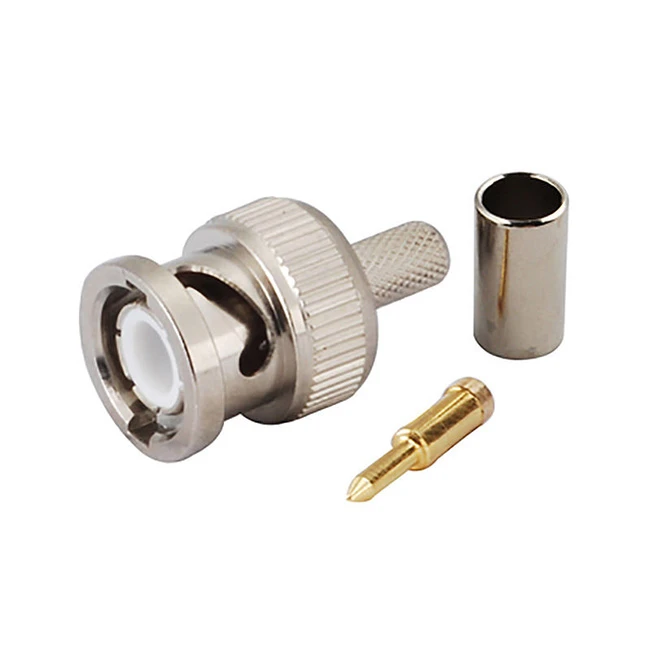
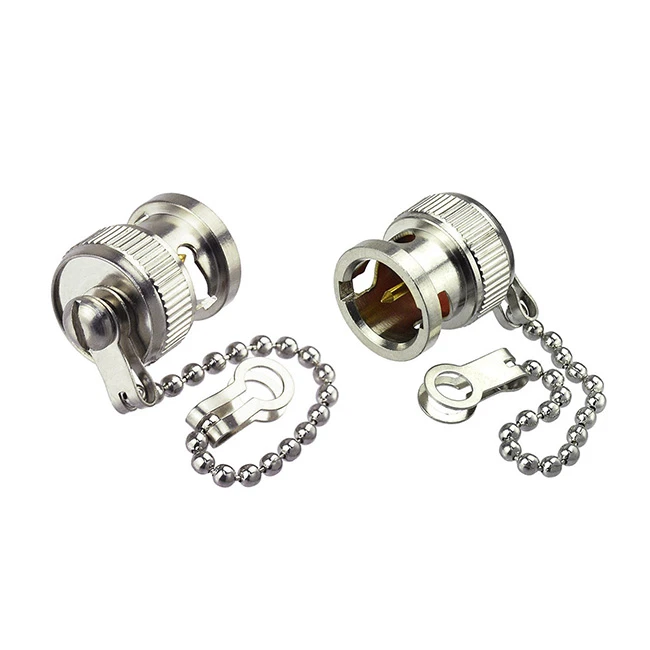
Before we discuss extreme temperature performance, let's briefly understand what BNC connector caps are. BNC, which stands for Bayonet Neill - Concelman, is a type of RF (Radio Frequency) connector commonly used in electronics. BNC connector caps are designed to protect the connectors from dust, moisture, and physical damage when they are not in use. They come in different types, such as male and female caps, and some are even equipped with chains for easy attachment. For example, our BNC Female Cap with Chain is a popular choice among customers who need a convenient and reliable way to protect their female BNC connectors.
The Impact of Extreme Temperatures on BNC Connector Caps
Extreme temperatures, whether extremely high or low, can have a profound impact on the performance of BNC connector caps.
High - Temperature Effects
In high - temperature environments, the materials used in BNC connector caps can undergo significant changes. Most BNC caps are made from plastics or rubber - like materials, which can soften or deform when exposed to high heat. Softening can lead to a loss of the cap's snug fit on the connector, allowing dust and moisture to enter. This can compromise the integrity of the connector and potentially lead to signal degradation or even equipment failure.
Moreover, high temperatures can accelerate the aging process of the materials. Chemical reactions within the plastic or rubber can cause it to become brittle over time, increasing the risk of cracking. Once a cap cracks, it loses its protective function completely. For instance, in industrial settings where equipment may be exposed to high - temperature machinery or direct sunlight, the performance of BNC connector caps can be severely affected.
Low - Temperature Effects
On the other hand, low temperatures can make the materials of BNC connector caps more rigid. Plastics and rubber become less flexible, which can make it difficult to install or remove the caps. In some cases, the cap may crack if forced onto or off the connector. Additionally, the reduced flexibility can also lead to a poor seal between the cap and the connector. Cold temperatures can cause the materials to contract, creating gaps through which moisture and dust can penetrate.
In outdoor applications, such as in telecommunications towers in cold climates or in scientific research stations in polar regions, the low - temperature performance of BNC connector caps is crucial. A faulty cap can expose the connectors to the harsh elements, leading to corrosion and signal interference.
Materials and Design for Extreme Temperatures
To ensure optimal performance in extreme temperatures, we carefully select the materials and design our BNC connector caps.
Material Selection
We use high - quality engineering plastics and elastomers that are specifically formulated to withstand a wide range of temperatures. For high - temperature applications, we choose materials with high melting points and excellent heat resistance. These materials can maintain their shape and mechanical properties even at elevated temperatures.
For low - temperature environments, we select plastics and rubbers that remain flexible at cold temperatures. These materials have a low glass transition temperature, which means they can retain their elasticity and form a tight seal on the connector even in freezing conditions.
Design Considerations
In addition to material selection, the design of the BNC connector caps also plays a vital role in their extreme - temperature performance. Our caps are designed with a precise fit to ensure a tight seal on the connectors. The shape and dimensions are carefully engineered to prevent any gaps that could allow contaminants to enter.
We also incorporate features such as ribbed surfaces or locking mechanisms to enhance the grip of the cap on the connector. This helps to maintain the seal even when the materials expand or contract due to temperature changes.
Real - World Testing and Performance
We conduct extensive real - world testing of our BNC connector caps in extreme temperature environments. Our testing facilities simulate a variety of conditions, from the scorching heat of desert environments to the freezing cold of arctic regions.
In high - temperature tests, we expose the caps to temperatures up to 80°C (176°F) for extended periods. We monitor the caps for any signs of softening, deformation, or loss of seal. Our caps have consistently shown excellent performance, maintaining their shape and protective function even under these extreme conditions.
In low - temperature tests, we subject the caps to temperatures as low as - 40°C (- 40°F). We check for flexibility, ease of installation and removal, and the integrity of the seal. Our caps have proven to be flexible enough to be installed and removed without cracking, and they form a tight seal on the connectors even in the coldest conditions.
Choosing the Right BNC Connector Caps for Your Application
When selecting BNC connector caps for extreme - temperature applications, it's essential to consider the specific temperature range of your environment. If you're operating in a high - temperature environment, look for caps made from heat - resistant materials. Our product range includes caps designed for high - temperature applications, such as those used in industrial ovens or near high - power electronics.
For low - temperature environments, choose caps made from flexible materials that can withstand cold temperatures. Our BNC Male Connector for RG58 Cable Crimp Type BNC - C - J3 comes with caps that are suitable for cold - weather applications, ensuring reliable protection for your connectors.
If you're unsure which type of cap is best for your needs, our technical support team is always available to assist you. We can provide detailed information about the temperature ratings and performance characteristics of our products.
Conclusion
In conclusion, the performance of BNC connector caps in extreme temperatures is a critical factor to consider in many electronic applications. High and low temperatures can have a significant impact on the materials and functionality of the caps. However, by carefully selecting the right materials and design, we can ensure that our BNC connector caps provide reliable protection even in the most challenging environments.
If you're in the market for high - quality BNC connector caps that can perform well in extreme temperatures, we invite you to contact us for a detailed discussion. Our team of experts is ready to help you find the perfect solution for your specific requirements. Whether you need a large - scale order for an industrial project or a small quantity for a personal electronic device, we can provide you with the products and support you need.
References
- "Handbook of Electronic Connector Technology"
- "Materials Science for Electronic Applications"