

As a supplier of BNC crimp connectors, I often get asked about the potential impact of electromagnetic interference (EMI) on these connectors. In this blog post, I'll delve into the science behind EMI and how it relates to BNC crimp connectors, providing you with a comprehensive understanding of the topic.
Understanding Electromagnetic Interference (EMI)
Electromagnetic interference is the disturbance that affects an electrical circuit due to either electromagnetic induction or electromagnetic radiation emitted from an external source. EMI can be generated by a wide range of sources, including power lines, electrical appliances, radio frequency (RF) transmitters, and even natural phenomena like lightning.

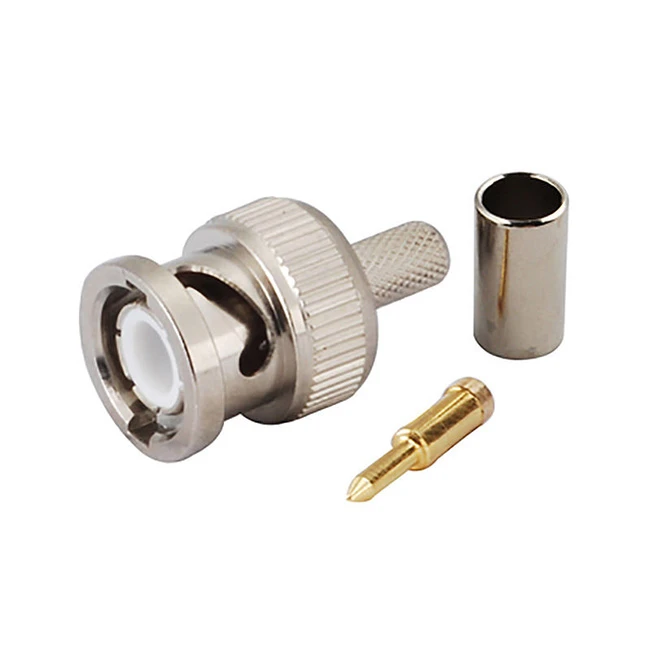
The effects of EMI can vary from minor disruptions, such as static on a radio signal, to more severe issues, like data corruption in communication systems. In the context of BNC crimp connectors, EMI can potentially degrade the signal quality, leading to reduced performance and reliability.
How BNC Crimp Connectors Work
BNC (Bayonet Neill-Concelman) connectors are a type of RF connector commonly used in video, audio, and data communication systems. They are designed to provide a secure and reliable connection between coaxial cables and other devices. BNC crimp connectors are installed by crimping the connector onto the coaxial cable, creating a tight and stable connection.
The design of BNC connectors includes a metal outer shell that acts as a shield, protecting the inner conductor from external electromagnetic fields. This shielding is crucial for minimizing the impact of EMI on the signal transmitted through the cable.
Factors Affecting EMI in BNC Crimp Connectors
Several factors can influence the susceptibility of BNC crimp connectors to EMI:
1. Connector Quality
The quality of the BNC crimp connector plays a significant role in its ability to resist EMI. High-quality connectors are typically made from materials with good conductivity and shielding properties. For example, connectors with a thick and continuous metal outer shell provide better shielding against EMI compared to connectors with a thinner or incomplete shield.
2. Installation
Proper installation of BNC crimp connectors is essential for minimizing EMI. If the connector is not crimped correctly, it can create gaps or loose connections, which can allow electromagnetic fields to penetrate the shield and interfere with the signal. Additionally, improper grounding of the connector can also increase the risk of EMI.
3. Cable Quality
The quality of the coaxial cable used with the BNC crimp connector also affects its susceptibility to EMI. High-quality cables with a well-designed shield and low attenuation can help reduce the impact of EMI on the signal. For example, cables with a double or triple shield provide better protection against EMI compared to single-shielded cables.
4. Environmental Factors
The environment in which the BNC crimp connector is used can also influence its susceptibility to EMI. For example, in industrial environments with high levels of electromagnetic noise, the risk of EMI is higher. Additionally, the proximity of the connector to other sources of EMI, such as power lines or RF transmitters, can also increase the likelihood of interference.
Testing and Certification
To ensure the performance and reliability of BNC crimp connectors in the presence of EMI, it is important to conduct testing and obtain certification. Many standards organizations, such as the International Electrotechnical Commission (IEC) and the Institute of Electrical and Electronics Engineers (IEEE), have established standards for testing the electromagnetic compatibility (EMC) of electronic devices, including BNC connectors.
Testing typically involves subjecting the connector to various electromagnetic fields and measuring the level of interference. Connectors that meet the required standards are certified as being EMC-compliant, indicating that they are designed to minimize the impact of EMI on the signal.
Our BNC Crimp Connector Products
As a supplier of BNC crimp connectors, we offer a wide range of high-quality products designed to meet the needs of various applications. Our connectors are made from premium materials and are rigorously tested to ensure their performance and reliability.
Some of our popular products include:
- BNC Male Connector for RG316/RG174 Cable Crimp Type BNC-C-J1.5-1: This connector is designed for use with RG316 and RG174 coaxial cables and provides a secure and reliable connection.
- BNC Male Connector for RG58 Cable Crimp Type BNC-C-J3: Ideal for use with RG58 coaxial cables, this connector offers excellent signal transmission and EMI protection.
- BNC Spring Connector Male for RG58 BNC-JS-3: This connector features a spring-loaded design, providing a flexible and reliable connection.
Conclusion
In conclusion, BNC crimp connectors can be affected by electromagnetic interference, but the extent of the impact depends on several factors, including the quality of the connector, the installation process, the cable quality, and the environmental conditions. By choosing high-quality connectors, ensuring proper installation, and using high-quality cables, you can minimize the risk of EMI and ensure the reliable performance of your communication systems.
If you are interested in learning more about our BNC crimp connector products or have any questions about EMI and its impact on these connectors, please feel free to contact us. We are here to help you find the right solutions for your specific needs.
References
- International Electrotechnical Commission (IEC). Electromagnetic compatibility (EMC) - Part 3-2: Limits - Limits for harmonic current emissions (equipment input current ≤ 16 A per phase).
- Institute of Electrical and Electronics Engineers (IEEE). IEEE Standard for Electromagnetic Compatibility - Testing and Measurement Techniques - Radiated Emissions Measurements in Electromagnetic Compatibility (EMC) - Measurement of Radiated Emissions from Intentional Radiators in the Frequency Range of 9 kHz to 40 GHz.