

As a supplier of N Male Clamp connectors, I've encountered numerous situations where customers face problems with these connectors. Troubleshooting these issues efficiently is crucial to ensure the smooth operation of your systems. In this blog, I'll guide you through the process of troubleshooting problems with an N Male Clamp connector.
Understanding the N Male Clamp Connector
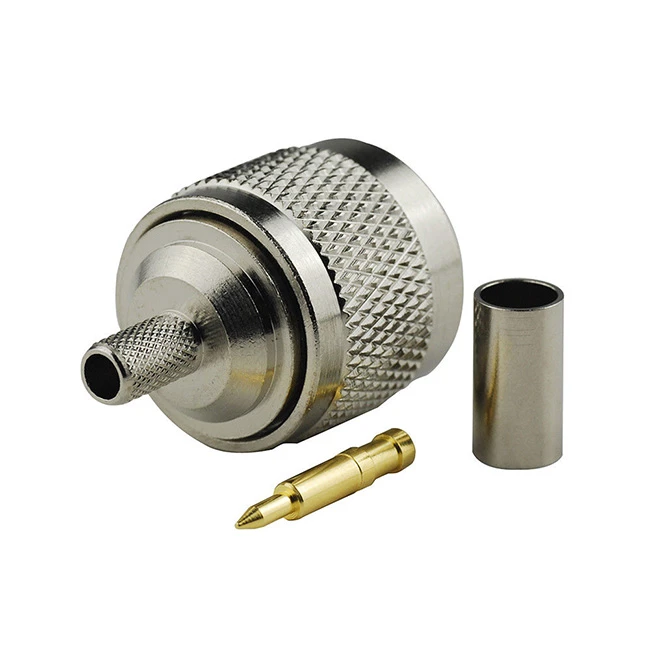
Before we dive into troubleshooting, let's briefly understand what an N Male Clamp connector is. The N connector is a threaded, weatherproof, medium - sized RF connector used to join coaxial cables. The male clamp version has a clamping mechanism that helps secure the connection, providing a reliable electrical and mechanical link. It's commonly used in various applications such as telecommunications, radio systems, and test equipment.
Common Problems and Their Symptoms
1. Poor Signal Transmission
Symptoms: You may notice a significant drop in signal strength, intermittent signal loss, or high noise levels in your system. This can lead to degraded performance, such as poor audio or video quality in communication systems.
Possible Causes:
- Loose connection: The N Male Clamp connector may not be properly tightened. Over time, vibrations or movement can cause the clamp to loosen, leading to a poor electrical connection.
- Damaged center conductor: The center conductor of the connector can get bent or damaged during installation or handling. A damaged conductor can disrupt the signal path.
- Corrosion: Exposure to moisture or harsh environmental conditions can cause corrosion on the connector's surfaces. Corrosion increases resistance and can impede signal flow.
2. Physical Damage
Symptoms: Visible cracks, dents, or broken parts on the connector. Physical damage can also lead to problems with signal transmission and can make it difficult to connect the connector properly.
Possible Causes:

- Improper installation: Forcing the connector into place or using incorrect tools during installation can cause damage.
- Mishandling: Dropping the connector or subjecting it to excessive force can result in physical damage.
- Environmental factors: Extreme temperatures, mechanical stress, or exposure to chemicals can weaken the connector's structure.
3. Incompatible Connection
Symptoms: Difficulty in mating the N Male Clamp connector with the corresponding female connector. This can be due to incorrect sizing or a mismatch in the connector types.
Possible Causes:
- Wrong cable type: Using a cable that is not compatible with the N Male Clamp connector can lead to fitting issues. For example, the cable's diameter or impedance may not match the connector's specifications.
- Mismatched connector genders or types: Ensure that you are using the correct N Male Clamp connector for your application. Some applications may require a different type of N connector, such as a N Female Connector for RG402 .141 Cable N - KYB3.
Troubleshooting Steps
Step 1: Visual Inspection
Begin by visually inspecting the N Male Clamp connector. Look for any signs of physical damage, such as cracks, dents, or broken parts. Check for corrosion on the connector's surfaces, especially around the contact points. Also, examine the cable attached to the connector for any signs of damage, such as cuts or fraying.
Step 2: Check the Connection Tightness
Ensure that the N Male Clamp connector is properly tightened. Use a suitable tool, such as a torque wrench, to tighten the connector to the recommended torque value. If the connector is loose, tightening it may resolve the issue of poor signal transmission. However, be careful not to over - tighten, as this can also cause damage to the connector.
Step 3: Examine the Center Conductor
Inspect the center conductor of the N Male Clamp connector. If it is bent or damaged, it may need to be straightened or replaced. Use a pair of fine - tipped pliers to carefully straighten a bent conductor. If the conductor is severely damaged, it's best to replace the connector.
Step 4: Clean the Connector
If you notice corrosion on the connector's surfaces, clean it using a suitable cleaning agent. A mixture of isopropyl alcohol and water can be used to clean the connector. Dip a cotton swab in the cleaning solution and gently wipe the connector's surfaces, especially the contact points. Make sure to dry the connector thoroughly before re - connecting it.
Step 5: Verify Compatibility
Check if the N Male Clamp connector is compatible with the cable and the corresponding female connector. Refer to the product specifications to ensure that the cable's diameter, impedance, and other characteristics match the connector's requirements. If you suspect a compatibility issue, consider using a different connector, such as the RF Connector N Female Bulkhead for RG178 Cable Crimp Type N - C - KY1 or RF Connector N Male for RG58 Cable Crimp Type N - C - J3.
Preventive Measures
To avoid problems with N Male Clamp connectors in the future, follow these preventive measures:
- Proper Installation: Always follow the manufacturer's installation instructions carefully. Use the correct tools and techniques to install the connector.
- Regular Maintenance: Perform regular visual inspections and cleaning of the connectors. This can help detect and prevent potential problems early.
- Environmental Protection: Protect the connectors from harsh environmental conditions, such as moisture, extreme temperatures, and chemicals. Use appropriate enclosures or protective covers.
Conclusion
Troubleshooting problems with an N Male Clamp connector requires a systematic approach. By following the steps outlined in this blog, you can identify and resolve common issues such as poor signal transmission, physical damage, and incompatible connections. As a supplier of N Male Clamp connectors, I'm committed to providing high - quality products and technical support. If you have any further questions or need assistance with your connectors, feel free to reach out and start a procurement discussion. We can work together to ensure that your systems operate smoothly with the right connectors.
References
- Coaxial Cable and Connector Handbook
- RF Connector Manufacturer's Technical Guides