

Data migration is a critical process in the realm of data management, often involving the transfer of data from one system to another. When using the SSMA connector, a failed data migration can be a frustrating setback. As a supplier of SSMA connectors, I understand the challenges that come with such failures and am here to share some insights on how to recover from them.
Understanding the Causes of Failed Data Migration
Before delving into the recovery process, it's essential to understand the potential causes of a failed data migration. There are several factors that can contribute to such failures, including:
- Incompatible Data Formats: If the source and target systems have different data formats, it can lead to data loss or corruption during the migration process. For example, if the source system stores dates in a different format than the target system, the dates may not be correctly transferred.
- Network Issues: Unstable network connections or bandwidth limitations can cause data transfer errors during the migration. Slow network speeds can also prolong the migration process, increasing the risk of failures.
- Insufficient Resources: If the target system does not have enough resources, such as memory or storage, to handle the incoming data, it can lead to performance issues or even system crashes.
- Software Bugs: Bugs in the SSMA connector or the migration software can cause data migration failures. These bugs may be due to coding errors, compatibility issues, or other factors.
- Data Integrity Issues: If the source data contains errors, such as duplicate records or inconsistent values, it can cause problems during the migration process. These issues need to be addressed before the migration to ensure the integrity of the data.
Steps to Recover from a Failed Data Migration
Once you have identified the cause of the failed data migration, you can take the following steps to recover from it:
1. Assess the Damage
The first step is to assess the extent of the damage caused by the failed migration. This involves checking the data in the target system to determine if any data has been lost or corrupted. You can also review the migration logs to identify any error messages or warnings that may provide clues about the cause of the failure.
2. Roll Back the Migration
If the migration has not been fully completed, you may be able to roll back the changes and start the migration process again. This can be done by restoring the target system to its previous state using a backup or by undoing the changes made during the migration.
3. Fix the Underlying Issues
Once you have identified the cause of the failure, you need to fix the underlying issues before attempting the migration again. For example, if the failure was due to incompatible data formats, you may need to convert the data to the correct format before migrating it. If the failure was due to network issues, you may need to improve the network connection or increase the bandwidth.
4. Test the Migration
Before performing the full migration again, it's important to test the migration process on a small subset of data. This allows you to identify and fix any issues that may arise during the migration without affecting the entire dataset. You can use a test environment that is similar to the production environment to ensure accurate results.
5. Monitor the Migration
During the migration process, it's important to monitor the progress to ensure that everything is going smoothly. You can use monitoring tools to track the data transfer rate, the number of records migrated, and any error messages or warnings. This allows you to detect and address any issues in a timely manner.
6. Validate the Data
After the migration is completed, you need to validate the data in the target system to ensure that it is accurate and complete. This involves comparing the data in the target system with the data in the source system to identify any discrepancies. You can use data validation tools to automate this process and ensure that all data has been migrated correctly.
Choosing the Right SSMA Connector
As a supplier of SSMA connectors, I recommend choosing the right connector for your data migration needs. Here are some of our popular SSMA connectors:
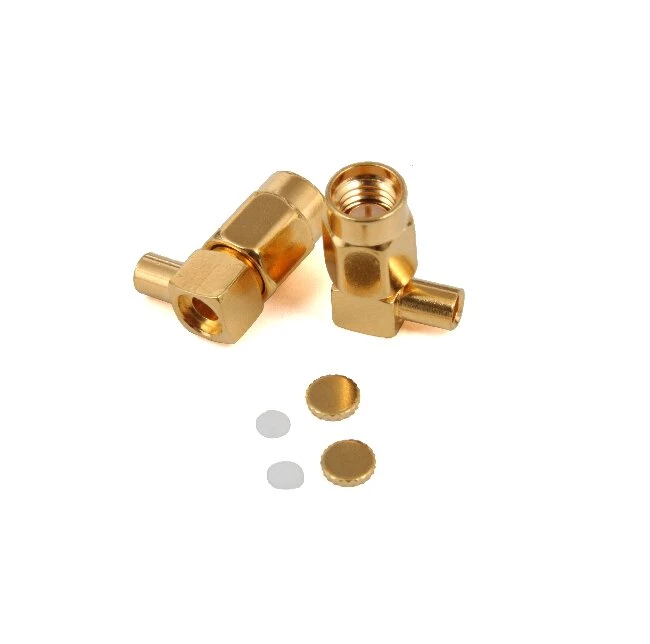
- SSMA Male Connector Right Angle for RG405 .086 Semi-Rigid Semi-flexible Cable Solder Type SSMA-JWB2: This connector is designed for use with RG405 .086 semi-rigid or semi-flexible cables and features a right-angle design for easy installation.
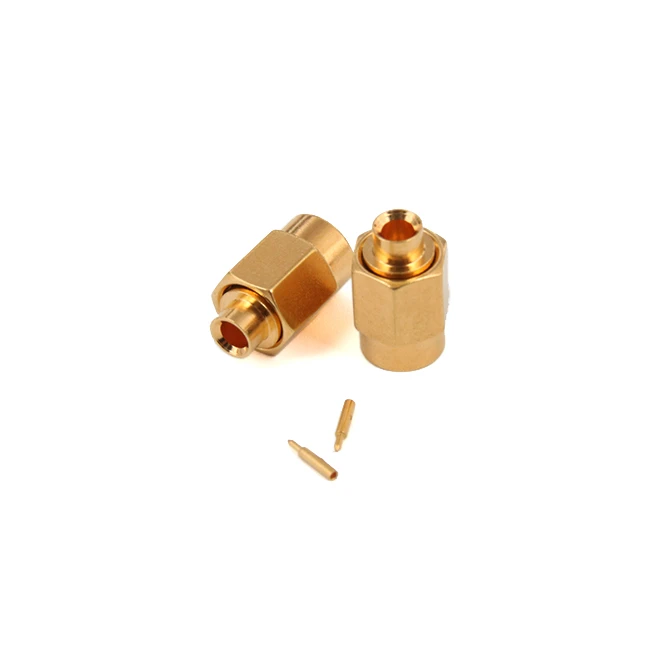
- SSMA Male Connector for RG405 .086 Semi-Rigid Semi-flexible Cable Solder Type SSMA-JB2: This connector is suitable for RG405 .086 semi-rigid or semi-flexible cables and offers a solder type connection for reliable performance.
- SSMA Female Connector Right Angle PCB Mount SSMA-KWE: This connector is designed for PCB mounting and features a right-angle design for space-saving installation.
Contact Us for More Information
If you are experiencing issues with data migration or need help choosing the right SSMA connector for your needs, please feel free to contact us. Our team of experts is available to provide you with technical support and guidance to ensure a successful data migration. We can also offer customized solutions based on your specific requirements.
References
- "Data Migration Best Practices," TechTarget.
- "Troubleshooting Data Migration Issues," IBM Developer.
- "SSMA Connector Technical Specifications," Manufacturer's Documentation.