

As a seasoned SMB connector supplier, I've witnessed firsthand the growing demand for optimizing power consumption in electronic devices. SMB connectors, known for their compact size and high - performance capabilities, play a crucial role in various applications, from telecommunications to aerospace. In this blog, I'll share some insights on how to optimize the power consumption of an SMB connector.
Understanding the Basics of SMB Connectors
Before delving into power consumption optimization, it's essential to have a solid understanding of SMB connectors. SMB connectors are subminiature RF connectors designed for use in high - frequency applications. They offer a reliable and efficient way to transmit radio frequency signals between components.
The key components of an SMB connector include the outer conductor, the inner conductor, and the dielectric material that separates them. The outer conductor provides shielding, protecting the signal from external interference, while the inner conductor is responsible for carrying the electrical current. The dielectric material, typically made of a low - loss material such as Teflon, helps to maintain the integrity of the signal and reduce signal loss.
Analyzing Power Consumption Factors
Several factors contribute to the power consumption of an SMB connector. Understanding these factors is the first step in optimizing power consumption.
1. Electrical Resistance
The electrical resistance of the connector is one of the primary factors affecting power consumption. Resistance causes the conversion of electrical energy into heat, leading to energy loss. To reduce resistance, it's crucial to ensure good electrical contact between the connector's mating parts. High - quality materials with low resistivity, such as copper or gold - plated contacts, can also help minimize resistance.
2. Signal Loss
Signal loss, also known as attenuation, occurs when the strength of the signal decreases as it travels through the connector. Higher signal loss means more power is needed to maintain the required signal strength at the receiving end. Factors such as the dielectric material, the geometry of the connector, and the quality of the plating can all affect signal loss.
3. Operating Frequency
The operating frequency of the application is another significant factor. As the frequency increases, the power consumption typically increases due to the higher demand for signal integrity. SMB connectors are designed to operate at high frequencies, but proper design and selection are crucial to minimize power consumption at these frequencies.
Strategies for Optimizing Power Consumption
1. Material Selection
Choosing the right materials is essential for optimizing power consumption. For the inner and outer conductors, materials with high electrical conductivity, such as copper or silver - plated copper, can significantly reduce resistance. Gold plating is also commonly used on contacts to improve conductivity and prevent corrosion.
In terms of the dielectric material, low - loss materials like Teflon or PTFE are preferred. These materials have a low dielectric constant and low loss tangent, which helps to minimize signal loss and power consumption.
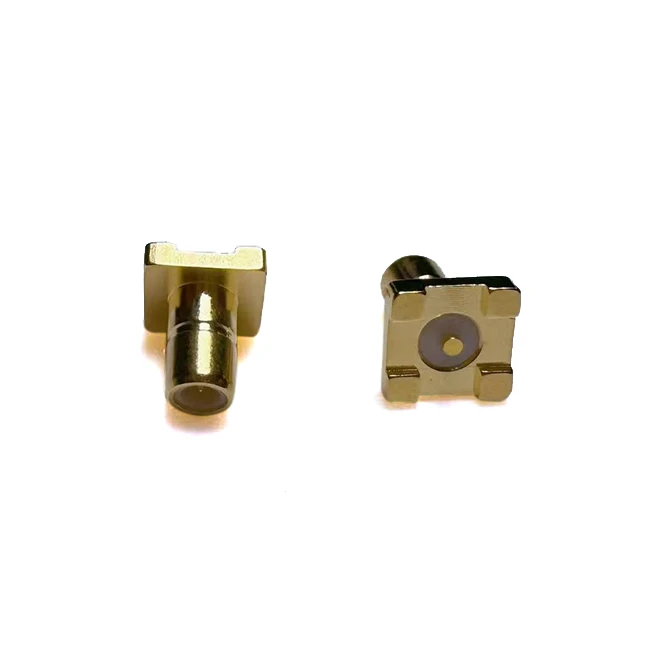

2. Connector Design
The design of the SMB connector can also have a significant impact on power consumption. A well - designed connector should have a precise mating interface to ensure good electrical contact and minimize signal loss. For example, a connector with a proper impedance match can help to reduce reflections and improve power transfer efficiency.
Some connectors are designed with features to reduce electromagnetic interference (EMI), which can also contribute to power savings. For instance, a connector with a shielded design can prevent external interference from affecting the signal, reducing the need for additional power to compensate for signal degradation.
3. Proper Installation
Proper installation of the SMB connector is crucial for optimizing power consumption. Incorrect installation can lead to poor electrical contact, increased resistance, and higher signal loss. When installing the connector, it's important to follow the manufacturer's guidelines carefully.
This includes ensuring that the connector is properly aligned, tightened to the correct torque, and that any seals or gaskets are in place. For PCB - mounted connectors, proper soldering techniques are essential to ensure a reliable electrical connection.
4. Maintenance and Testing
Regular maintenance and testing of the SMB connectors can help to identify and address any issues that may be contributing to increased power consumption. Over time, connectors can experience wear and tear, corrosion, or damage, which can affect their performance.
By conducting periodic inspections, cleaning the connectors, and testing for electrical performance, you can ensure that the connectors are operating at their optimal level. This can help to prevent power wastage and extend the lifespan of the connectors.
Our Product Offerings
As a leading SMB connector supplier, we offer a wide range of high - quality SMB connectors to meet the diverse needs of our customers. Here are some of our popular products:
- SMB Connector Right Angle Male Type Bulkhead PCB Mount SMB - JYWE: This connector is designed for bulkhead PCB mounting and offers excellent electrical performance at high frequencies. Its right - angle design makes it suitable for applications where space is limited.
- SMB Female Connector Right Angle for RG316 RG174 Crimp Type SMB - C - KW1.5: Ideal for use with RG316 and RG174 cables, this crimp - type connector provides a secure and reliable connection. Its right - angle configuration is perfect for applications where a compact layout is required.
- SMB Connector Male Type SMT PCB Mount SMB - JE: This surface - mount technology (SMT) connector is designed for easy installation on PCBs. It offers high - speed signal transmission and low power consumption, making it suitable for a variety of high - frequency applications.
Conclusion
Optimizing the power consumption of an SMB connector is a multi - faceted process that involves understanding the basic principles of connector operation, analyzing the factors that affect power consumption, and implementing appropriate strategies. By carefully selecting materials, designing the connector for optimal performance, ensuring proper installation, and conducting regular maintenance and testing, you can significantly reduce power consumption and improve the overall efficiency of your electronic devices.
If you're interested in learning more about our SMB connectors or have specific requirements for your application, we'd love to hear from you. Contact us to start a discussion about your procurement needs and explore how our products can help you achieve your power consumption optimization goals.
References
- "RF Connector Handbook" by Pasternack Enterprises
- "High - Frequency Electronics" magazine articles on RF connector technology
- Manufacturer's datasheets for SMB connectors